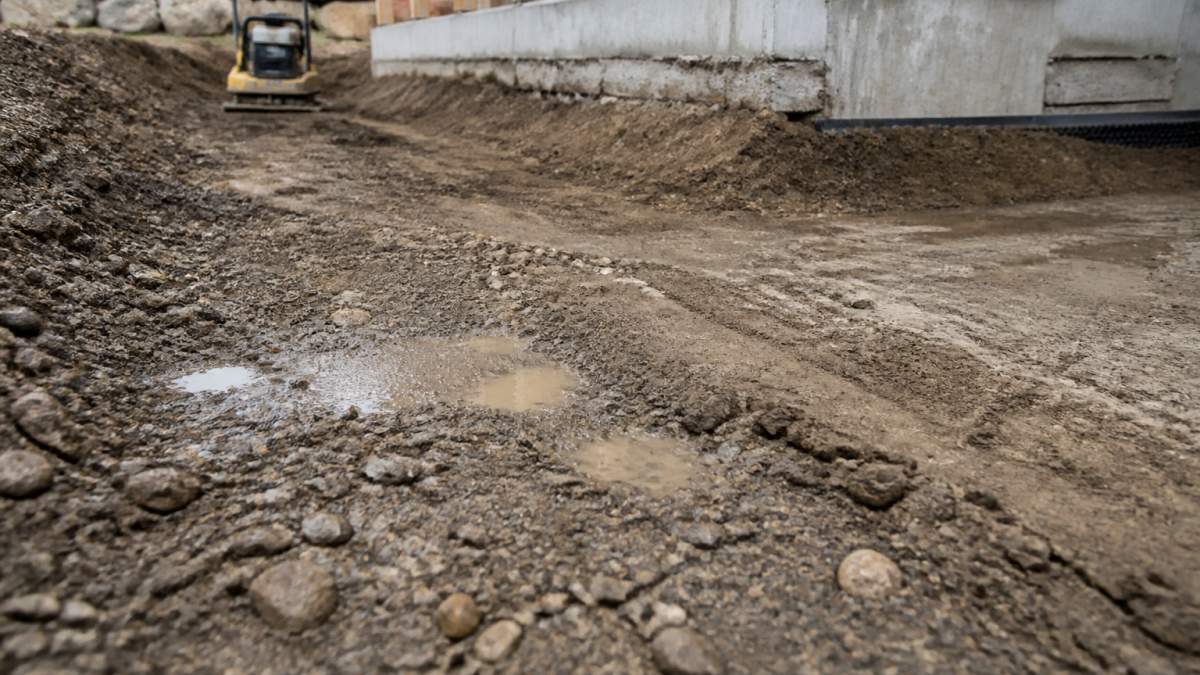
Signs of Poor Subgrade Preparation: A Guide
Table of Contents
- What Poor Subgrade Preparation Looks Like
- Concrete Driveway Settlement and Subgrade Issues
- Driveway Subgrade Preparation and Base Compaction
- Frequently Asked Questions
Last Updated: October 6, 2026
What Poor Subgrade Preparation Looks Like
Poor subgrade preparation is the foundation failure behind visible driveway or slab damage: when soil beneath concrete isn't compacted, graded, or stabilized, the pavement above eventually fails.
The signs of poor subgrade preparation, corner cracks, settled sections, water pooling in low spots, are structural, not cosmetic.
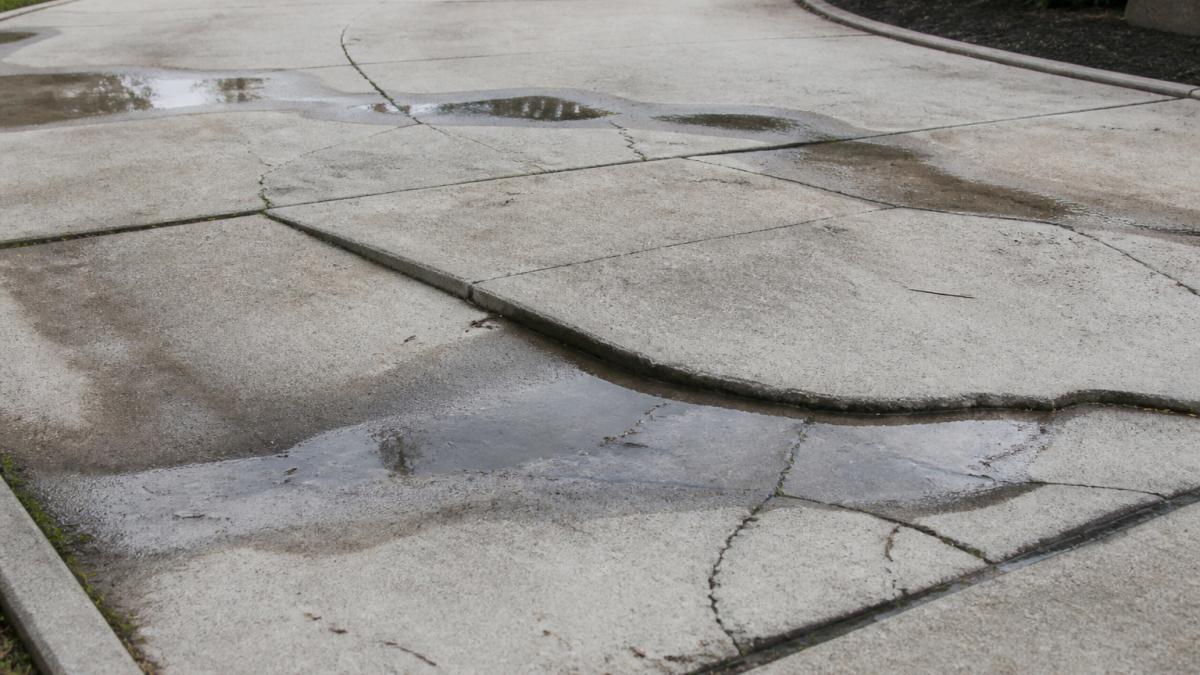
Common causes: inadequate soil compaction, poor grading that traps water, unstable soil, and failure to remove organic material before pouring.
Concrete Driveway Settlement and Subgrade Issues
Concrete driveway settlement occurs when soil beneath the slab compresses unevenly or shifts over time, the most visible symptom of poor subgrade preparation.
Settlement starts as a slight lip at control joints or the garage, then deepens as water pools and freeze-thaw cycles accelerate deterioration.
The underlying problem is soil support: uncompacted subgrade keeps settling under vehicle weight and freeze-thaw pressure, voids form beneath the slab, and the concrete cracks from spanning unsupported sections.
Patterned cracks (corner, mid-slab) plus visible settlement point to subgrade, while random cracking on a level surface suggests poor mix design or base layer failure.
Driveway Subgrade Preparation and Base Compaction
Driveway subgrade preparation stabilizes and compacts soil into a uniform, load-bearing foundation, the step that determines whether your driveway lasts 20 years or fails in five.
The process starts with site clearing, removing vegetation, organic debris, and soft topsoil, then grading the soil to slope slightly for drainage. Compaction follows, typically with vibratory equipment reaching 95% of maximum dry density, topped by a 4-6 inch base layer of compacted gravel or recycled asphalt.
Poor compaction is the most common mistake: a single pass with a light compactor leaves soil loose, and heavy vehicles, freeze-thaw cycles, and water infiltration then cause progressive failure.
Drainage problems compound subgrade issues: if water drains toward the driveway instead of away, wet soil loses strength and freeze-thaw ice expansion adds stress, producing ruts, dips, and low spots.
Is your driveway showing signs of settlement, cracking, or uneven sections? Poor subgrade preparation is often the cause, and catching it early prevents catastrophic failure. Luxury Concrete And Landscaping specializes in diagnosing foundation problems and designing driveways built on properly prepared, compacted subgrades. Our licensed, bonded team documents every stage of site preparation and backs the work with a 5-year workmanship warranty. Get your free estimate today and let us show you the difference proper subgrade preparation makes.
Frequently Asked Questions
What are the signs of poor subgrade preparation under a concrete driveway?
Poor subgrade preparation typically shows up as cracking, uneven settling, ruts, and low spots on the driveway surface. Water pooling, standing puddles, and erosion around the edges are also red flags. These symptoms occur because weak soil support cannot bear the load of the pavement and traffic, causing the surface to shift and fail prematurely.
How can you tell if a driveway crack is caused by a weak subgrade?
Subgrade-related cracks are often wider at one end, follow a pattern across the slab, and are accompanied by settling or uneven surfaces. If the crack appears soon after installation or the driveway is sinking in one area, subgrade failure is likely. Cracks from poor subgrade preparation typically worsen over time, especially after freeze-thaw cycles or heavy rain.
Can poor drainage make subgrade problems worse?
Yes. Standing water and poor drainage accelerate subgrade deterioration by softening soil, promoting erosion, and creating voids beneath the pavement. Moisture also causes freeze-thaw damage in cold seasons, which expands soil and destabilizes the base layer. Proper drainage and moisture control are essential to prevent and slow subgrade failure.
