How to Maintain Concrete Patios in Utah
Table of Contents
- How to Clean a Concrete Patio
- How Often to Seal a Concrete Patio
- Concrete Patio Winter Maintenance and Protection
- Frequently Asked Questions
Last Updated: October 10, 2026
How to Clean a Concrete Patio
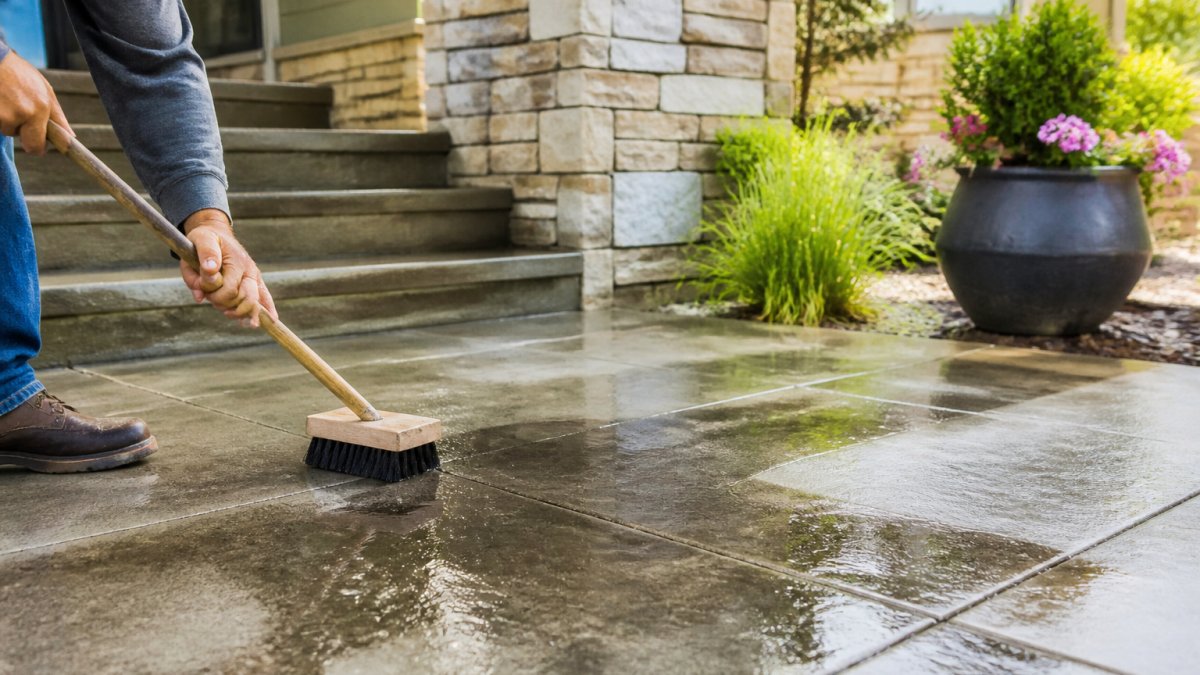
Keeping your concrete patio clean is the first step to maintaining concrete patios in Utah. Regular cleaning removes built-up grime, debris, and stains that can damage the surface over time.
Start with a basic sweep to remove loose dirt and leaves. Then use a pressure washer or surface cleaner to tackle deeper grime. Most homeowners find that a medium pressure setting works well, too high and you risk damaging the concrete surface.
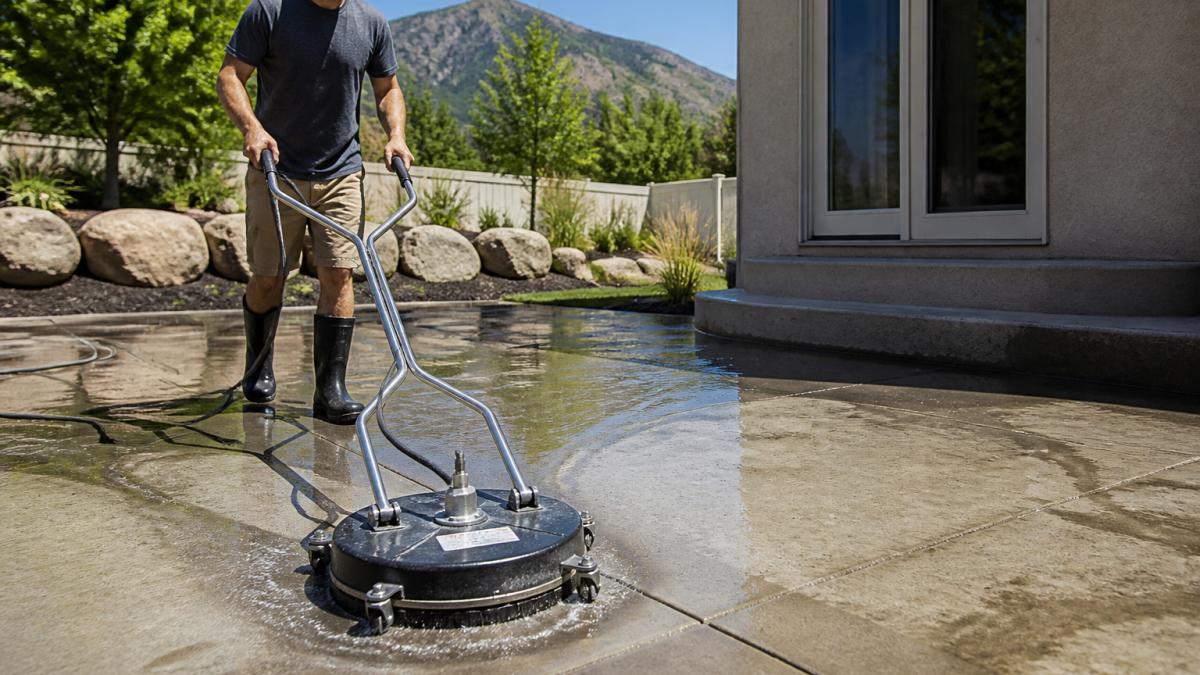
For stubborn stains, apply a concrete cleaner before pressure washing. Let it sit for 10-15 minutes so it can break down the stain. Rinse thoroughly with water.
How Often to Seal a Concrete Patio
Sealing protects your concrete surface from moisture, stains, and weather damage. Most concrete patios need resealing every 2-3 years, depending on traffic and climate.
Utah's freeze-thaw cycles are tough on concrete. When water seeps into the surface and freezes, it expands and causes cracks. A quality concrete sealer creates a protective barrier that stops water intrusion before it starts.
Apply sealer after cleaning and letting the patio dry completely, usually 24-48 hours after washing. Choose an industrial-grade sealer designed for outdoor use. Follow the manufacturer's instructions for application and drying time.
Concrete Patio Winter Maintenance and Protection
Winter is when concrete patios take the most damage. Snow, ice, and deicing chemicals all threaten the surface. Prepare your patio before cold weather arrives.
Get My FREE Estimate →
Clear snow promptly after storms. Use a plastic shovel instead of metal, metal can chip the concrete. Avoid rock salt for de-icing. Instead, use calcium chloride or sand for traction. Rock salt accelerates concrete deterioration.
Inspect your patio regularly during winter for new cracks or damage. Early detection means you can seal or repair small issues before they worsen. Standing water is your enemy, make sure drainage around the patio directs water away from the surface.
After winter, cleaning is essential to maintain concrete patios and remove salt residue and debris. This is the perfect time to assess any damage and plan repairs or resealing for spring.
Maintaining your concrete patio takes effort, but the payoff is a beautiful outdoor space that lasts for years. At Luxury Concrete And Landscaping, we help homeowners across Utah protect their patios with expert sealing, repair, and seasonal maintenance guidance. Our licensed, insured team brings professional-grade techniques and premium materials to every project, backed by our comprehensive 5-year workmanship warranty. Get started with a free estimate and see how proper maintenance can transform your outdoor living space.
Frequently Asked Questions
What is the best way to clean a stained concrete patio?
Start with routine sweeping and debris removal. For stubborn stains and built-up grime, use a pressure washer or surface cleaner set to a safe pressure level to avoid damage. For specific stains like oil or rust, apply a targeted cleaner before pressure washing. Always test on an inconspicuous area first. Regular cleaning prevents stains from setting into the concrete surface.
How often should you seal a concrete patio?
Most concrete patios need resealing every 2-3 years, depending on weather exposure and foot traffic. After harsh winters with freeze-thaw cycles and deicing chemicals, inspect your patio closely and reseal sooner if needed. A concrete sealer protects against moisture intrusion, staining, and weather damage. Professional inspection can help determine if your patio is ready for a fresh protective coating.
How should you prepare a concrete patio for winter?
Clean the patio thoroughly and apply a waterproofing sealer before cold weather arrives. Ensure proper drainage to prevent standing water. Remove snow and ice promptly using plastic shovels or rubber-edged tools instead of metal, which can damage the surface. Avoid rock salt and harsh deicing chemicals; use safer alternatives. These steps help prevent water intrusion and freeze-thaw damage that can cause scaling and cracking.
