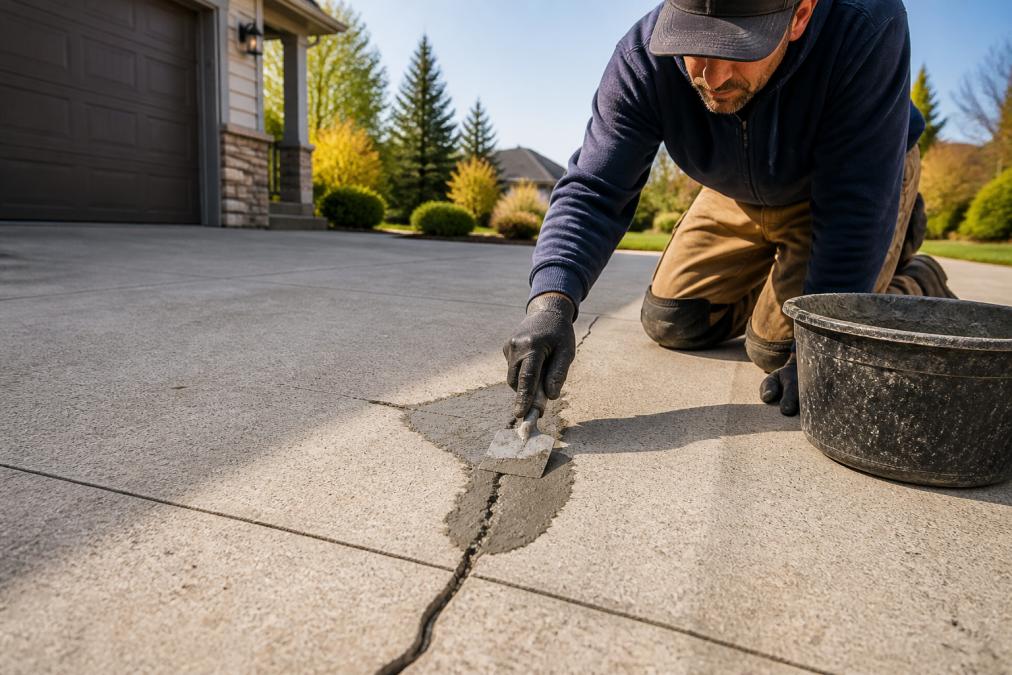
Best Time to Repair Concrete: A Seasonal Guide
Table of Contents
- Why Timing Matters for Concrete Repair
- Concrete Crack Repair Temperature Requirements
- Preventing Concrete Damage from Freeze-Thaw Cycles
- Concrete Curing Time in Cold Weather and Seasonal Windows
Last Updated: August 30, 2026
Why Timing Matters for Concrete Repair
Weather conditions directly determine whether your concrete repair will hold or fail within months. Temperature swings, moisture levels, and freeze-thaw cycles create a narrow window where materials bond properly and cure correctly. Utah's climate presents specific challenges: winter temperatures plunge below freezing, spring brings unpredictable swings, summer heat accelerates curing, and fall offers a brief reprieve before winter returns. A quality repair applied in May might last for decades, while the same repair applied in December often fails by April.
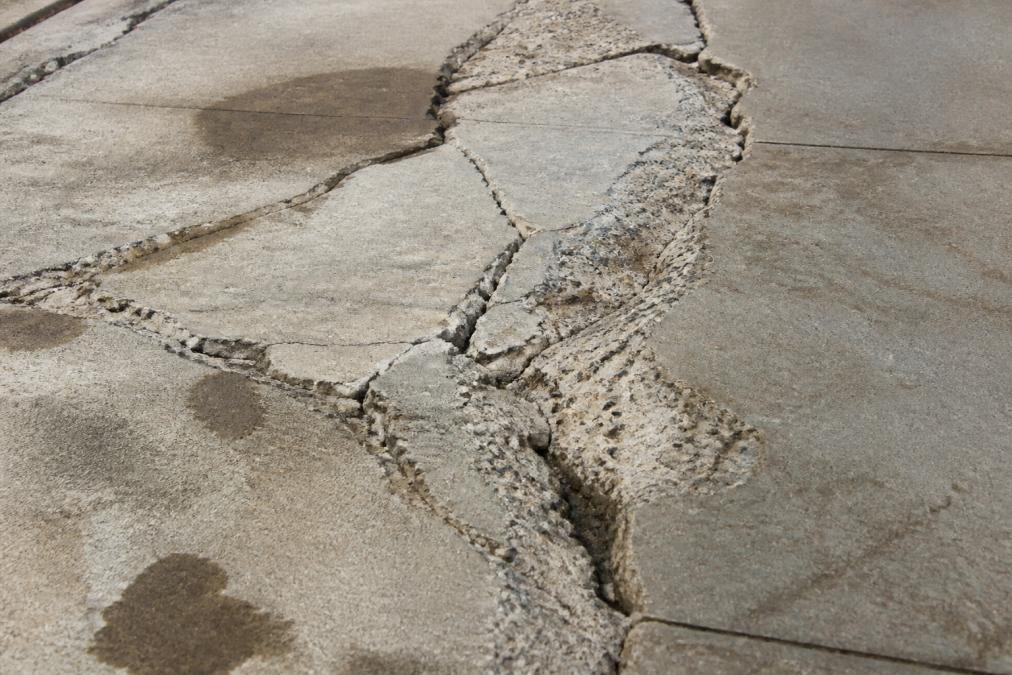
Concrete Crack Repair Temperature Requirements
Most repair compounds perform best between 50°F and 85°F during application and initial curing (aci.org). Below 50°F, curing slows dramatically and water in the material takes longer to evaporate, trapping moisture that weakens the repair (peer-reviewed research). Above 85°F, fast evaporation causes the repair material to cure too quickly on the surface while remaining soft underneath, creating a shell that lacks structural integrity. The ideal window is narrow: apply repairs when nighttime lows stay above 45°F and daytime highs remain below 90°F. In Utah, this typically means late spring through early fall, with spring and autumn being the most reliable periods.
Preventing Concrete Damage from Freeze-Thaw Cycles
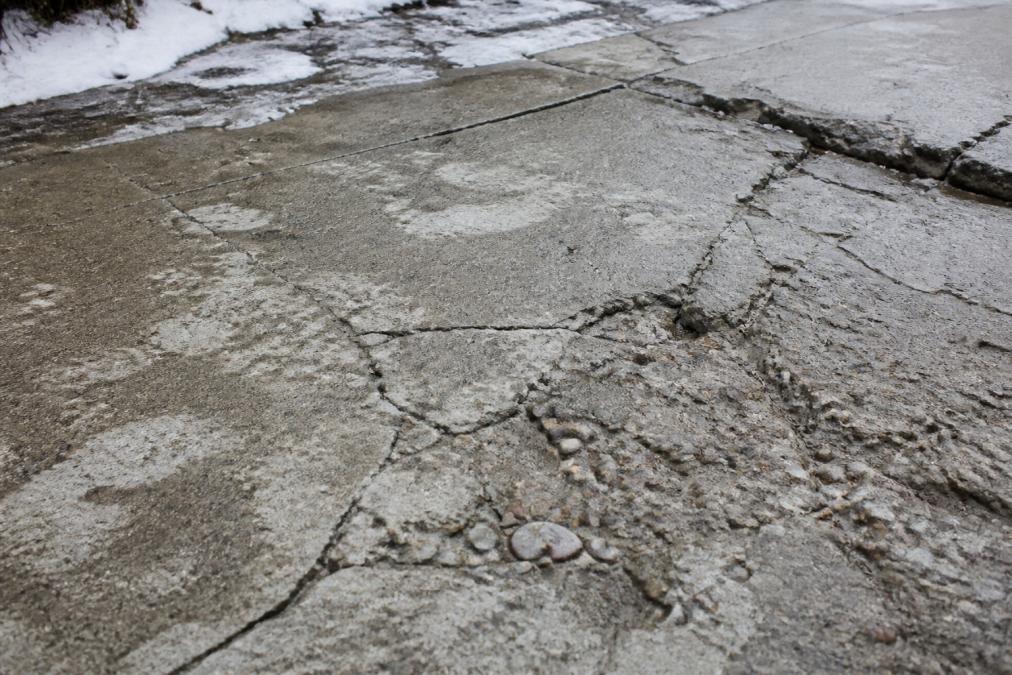
Utah's freeze-thaw cycles are relentless. Water enters tiny cracks in concrete, freezes and expands, widening the crack (usgs.gov). Repeat this cycle dozens of times per winter, and minor cracks become structural damage. Repairs completed by mid-October have months to cure before the first freeze. Spring repairs have the entire warm season to fully cure before the next winter cycle begins. Proper surface preparation also matters, the concrete surface must be clean and dry before repair begins.
Concrete Curing Time in Cold Weather and Seasonal Windows
Curing time varies dramatically by season. A repair that cures in 7 days during summer might take 3 weeks in spring or fall, and over a month in cold weather. Cold temperatures slow the chemical reactions that harden concrete. If you repair concrete in late autumn, you're betting on a warm spell before winter. Spring repairs eliminate this risk by providing months of warming temperatures ahead, ensuring complete curing before any freeze-thaw stress occurs.
| Season | Ideal Temperature Range | Curing Timeline | Risk Level |
|---|---|---|---|
| Spring (April-May) | 50-75°F | 7-14 days | Low |
| Summer (June-August) | 70-85°F | 3-7 days | Moderate (heat risk) |
| Autumn (September-October) | 50-70°F | 7-14 days | Low |
| Winter (November-March) | Below 50°F | 21+ days | High |
Spring and Autumn: The Ideal Repair Seasons
Spring (April through May) and autumn (September through October) offer moderate temperatures, lower humidity, and natural drying conditions that repair materials need. Spring advantages include warming temperatures that accelerate curing and the entire summer and fall ahead for the repair to fully harden before winter stress arrives. Autumn advantages include predictable temperature cooling with no surprise freezes in mid-October and a typically dry concrete surface after summer heat.
Summer works but requires caution. High heat accelerates curing but can also cause rapid surface evaporation, trapping moisture underneath. Winter should be avoided for standard repairs. Temperatures below 50°F extend curing time unpredictably, and freeze-thaw stress attacks incomplete repairs. If winter repair is unavoidable, use products specifically formulated for cold weather and plan for 4-6 weeks of curing before exposing the repair to traffic or stress.
Summary: Best Time to Repair Concrete
The best time to repair concrete in Utah is spring (April-May) or autumn (September-October). Both seasons provide the moderate temperatures, low humidity, and natural drying conditions that concrete repair materials require to cure properly. For professional guidance tailored to your specific concrete damage, Luxury Concrete And Landscaping offers a free estimate. Our team can assess your concrete's condition, recommend the right repair approach, and schedule the work during the ideal seasonal window for your location.
Frequently Asked Questions
What is the best time of year to repair concrete?
Spring and autumn offer the best conditions for concrete repair. Temperatures typically range between 50-70°F, providing ideal curing conditions. Mild weather reduces the risk of moisture problems and allows repair materials to bond properly. Avoid winter months when freeze-thaw cycles damage curing concrete, and summer heat can cause rapid evaporation and weak bonds. Plan repairs during these shoulder seasons for the strongest, most durable results.
How do freeze-thaw cycles affect concrete repair timing?
Freeze-thaw cycles are particularly damaging to freshly repaired concrete. When temperatures fluctuate around freezing, water trapped in concrete expands as it freezes, causing spalling and structural damage. This cycle is why repairing concrete in winter or early spring is risky. Waiting until stable spring weather arrives, when overnight lows stay above 40°F consistently, prevents this damage. Contractors typically avoid repairs during months with unpredictable temperature swings.
What temperature is required for concrete curing in cold weather?
Concrete requires ambient temperatures of at least 50°F for proper curing, ideally between 50-70°F. In cold weather below 50°F, curing slows dramatically and substrate moisture becomes trapped, weakening the repair. Curing time extends significantly in cold conditions, sometimes doubling or tripling compared to mild weather. Winter repairs demand specialized curing agents and protection, adding cost and complexity. Spring and autumn provide the natural temperature range that allows concrete to cure predictably without extra measures.
Concrete damage costs more the longer you wait, but rushing into repairs at the wrong time costs even more. The difference between a repair that lasts decades and one that fails in months often comes down to when you schedule the work. Contact Luxury Concrete And Landscaping for a free estimate and let our licensed, insured team handle your concrete repair during the optimal season for lasting results.
This article was written using GrandRanker
