Does Homeowners Insurance Cover Driveway Repair?
Table of Contents
- Does Homeowners Insurance Cover Driveway Damage?
- Covered Perils vs. Wear and Tear
- Average Lifespan of a Concrete Driveway
- Concrete Driveway Maintenance Tips to Protect Coverage
- Frequently Asked Questions
Last Updated: September 1, 2026
Does Homeowners Insurance Cover Driveway Damage?
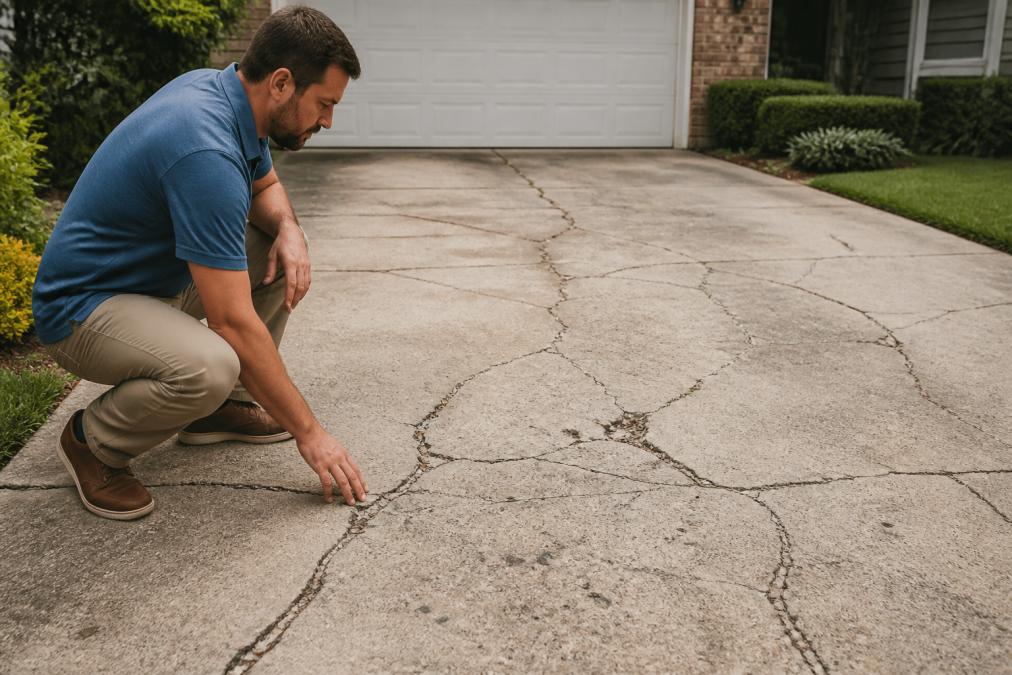
Whether homeowners insurance covers driveway repair depends on what caused the damage. Most standard policies do not cover normal wear and tear or gradual deterioration. However, if a covered peril damages your driveway, your insurance may help pay for repairs. Understanding the difference between covered events and excluded damage is essential before filing a claim.
Covered Perils vs. Wear and Tear
A covered peril is a specific event your insurance policy agrees to pay for. Common covered perils include fire, theft, vandalism, falling objects, and sudden weather events like hail or ice damage. The critical word is sudden, the damage must occur unexpectedly, not as a result of gradual deterioration.
Examples of covered driveway damage:
- A tree limb falls during a storm and cracks the asphalt
- A vehicle crashes into your driveway (your liability coverage may apply)
- Hail causes pitting or cracking in concrete
- Vandalism (intentional damage by a third party)
- Fire damage from a nearby structure or vehicle
- Sudden subsidence or sinkhole formation (varies by region and policy)
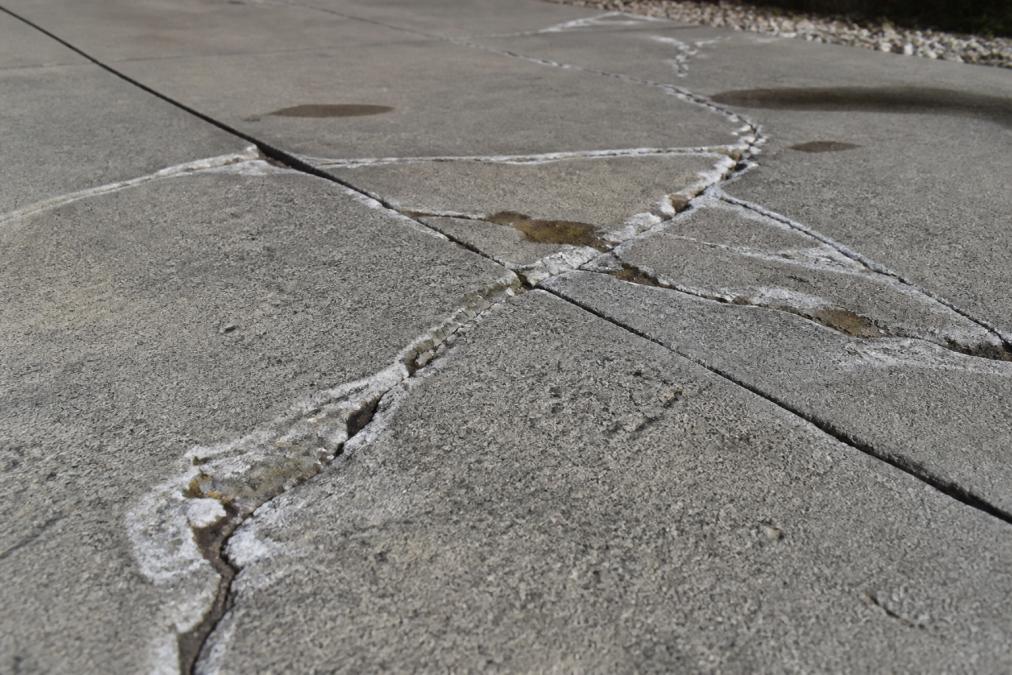
Examples of excluded damage (wear and tear):
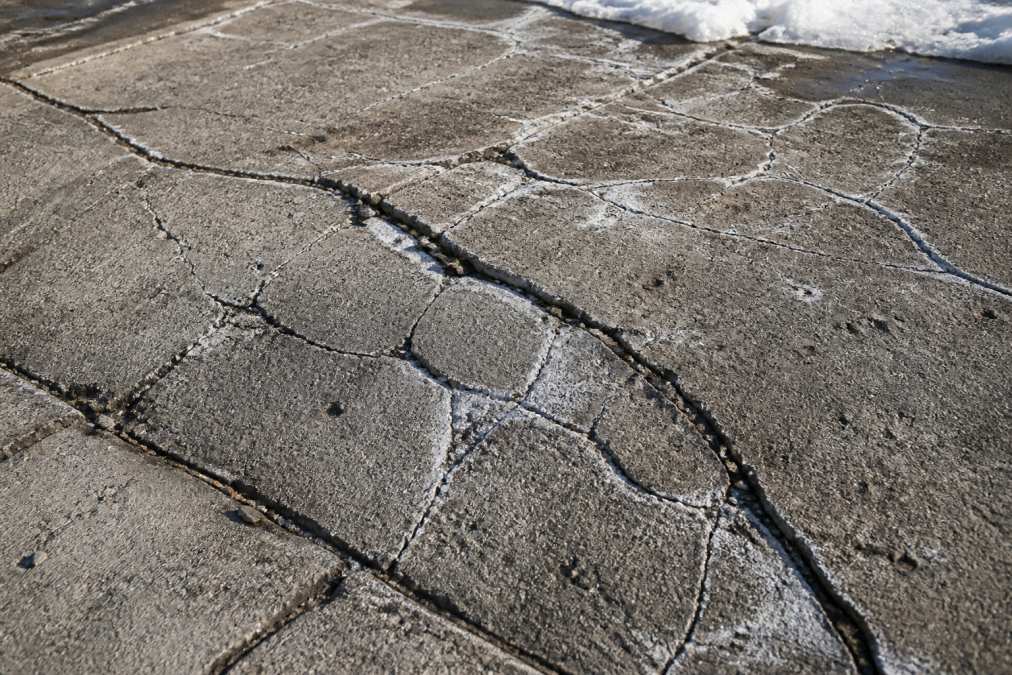
- Cracks from freeze-thaw cycles over multiple winters
- Fading or discoloration from sun exposure
- Settling that causes uneven surfaces
- Potholes from normal traffic and age
- Scaling or spalling of concrete due to salt exposure
When you file a claim, your insurer investigates whether the damage pattern is consistent with a sudden event (sharp fracture, localized impact) or gradual deterioration (hairline cracks spreading over time, uniform surface wear). Documentation showing regular sealing and crack repair strengthens your argument that new damage resulted from a covered peril rather than neglect.
In freeze-thaw climates, many policies explicitly exclude freeze-thaw damage as a known, predictable hazard. In areas prone to sinkholes or subsidence, coverage may be available only with an endorsement. Review your policy's exclusions section carefully, as regional climate patterns directly affect what qualifies as a covered peril in your area.
Average Lifespan of a Concrete Driveway
Most concrete driveways last between 25 and 30 years with proper maintenance (peer-reviewed research). In colder climates where freeze-thaw cycles are frequent, the lifespan may be shorter. After 15 years, concrete typically begins showing signs of aging. If your driveway is already 20 years old and suddenly cracks, the damage may be attributed to age rather than a covered peril.
Concrete Driveway Maintenance Tips to Protect Coverage
Keeping your driveway in good condition protects your insurance coverage. When damage occurs, insurers investigate whether you maintained the property properly. Neglect can result in claim denials.
Preventive maintenance actions:
- Seal your driveway every two to three years to protect concrete from water penetration (asce.org)
- Fill small cracks (less than 1/4 inch) as soon as they appear (doi.org)
- Remove standing water promptly after rain to prevent pooling
- Keep your driveway clear of heavy debris and salt buildup, especially in winter
- Photograph your driveway in good condition and after any weather events
Basic maintenance yourself (filling cracks, sealing, cleaning) demonstrates diligence and strengthens your position if you later file a claim. However, if you discover damage that might be covered (sudden cracking, unexplained subsidence, impact damage), do not attempt DIY repair before consulting your insurer. Take photos and contact your agent first. For major repairs or when you suspect a covered peril caused the damage, hire a licensed contractor. Professional invoices and assessments carry significantly more weight in claim evaluation.
Documentation requirements for claims: When you file a claim, prepare the following:
- Photographs: Clear, dated photos of the damage from multiple angles, including close-ups and wide shots showing location
- Maintenance records: Receipts for sealing, crack repair, or professional inspections conducted in the past 3-5 years
- Contractor estimates or invoices: Professional assessment of the damage
- Timeline: When you first noticed the damage and any weather events that preceded it
- Proof of prior condition: Photos of your driveway before the damage establish that the property was well-maintained
Keep all receipts and warranty information from any professional work. This documentation proves you maintained the property and significantly strengthens any future claim.
Frequently Asked Questions
Does homeowners insurance cover driveway replacement?
Homeowners insurance typically covers driveway damage caused by covered perils such as sudden tree falls, vehicle collisions, or natural disasters. However, replacement due to normal wear and tear, gradual deterioration, or freeze-thaw cycles is usually not covered. Your policy limits and deductible will determine the reimbursement amount. Review your specific policy or contact your agent to confirm what your coverage includes.
What is considered a covered peril for driveway damage?
Covered perils include sudden and accidental events like fallen tree limbs, vehicle impact, severe weather damage, or structural damage from sinkholes. Gradual damage from weather exposure, freeze-thaw cycles, poor maintenance, or normal aging is not considered a covered peril. The distinction between sudden and gradual damage is critical, your adjuster will evaluate the cause during the claim process to determine eligibility.
How quickly can I get driveway damage repaired after filing a claim?
After you file a claim, your insurance company will assign an adjuster to inspect the damage within a few days to two weeks, depending on claim volume. Once approved, you can proceed with repairs. For quality, lasting results, hire a licensed, insured contractor with experience in driveway repair and a workmanship warranty to ensure the repair meets professional standards and protects your property long-term.
This article was written using GrandRanker
