Does Stamped Concrete Increase Home Value?
Table of Contents
- Does Stamped Concrete Actually Increase Home Value?
- How Stamped Concrete Impacts Home Appraisal
- Stamped Concrete Maintenance Requirements and Long-Term Costs
- Stamped Concrete vs. Pavers: Resale Value Comparison
- Concrete Driveway Installation Cost 2026 and ROI Timeline
- Pros and Cons of Stamped Concrete for Home Value
- Maximizing Your Stamped Concrete Investment
- Conclusion
Last Updated: August 21, 2026
Does Stamped Concrete Actually Increase Home Value?
Stamped concrete has become a popular hardscaping choice for homeowners, but the real question is whether it increases home value enough to justify the investment. The answer depends on your local real estate market, installation quality, maintenance consistency, and how it compares to other hardscaping options.
A poorly executed installation can hurt your home's value, but when done right, with proper subgrade preparation, quality sealing, and consistent maintenance, it becomes a genuine asset that catches buyers' attention.
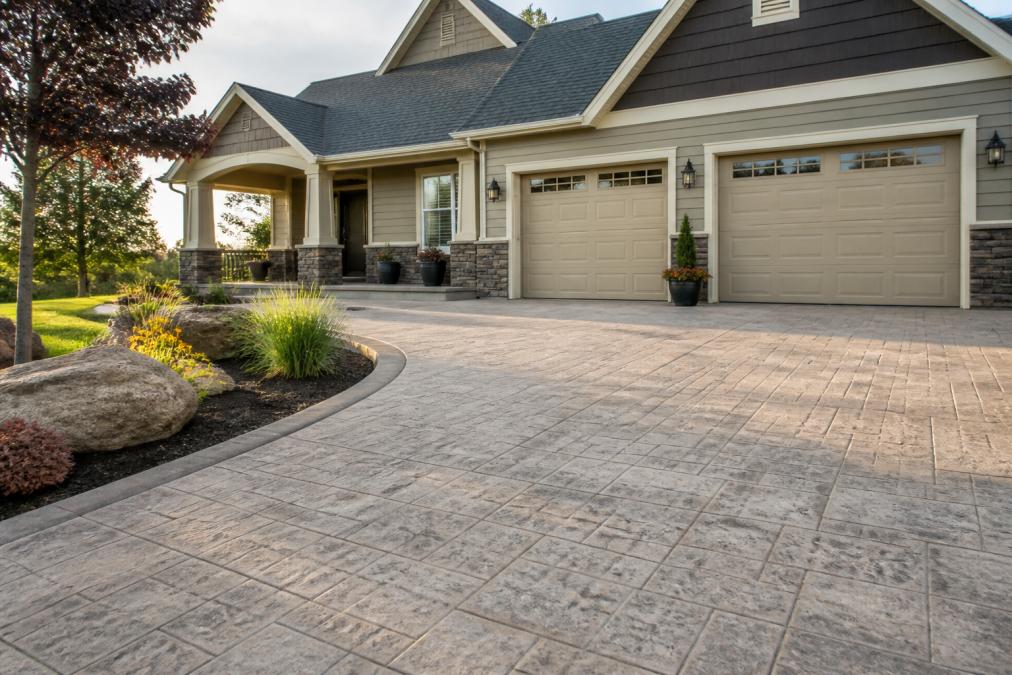
The real difference between stamped concrete and standard gray concrete comes down to curb appeal and perceived durability. Real estate appraisers and buyers notice when a property has invested in aesthetic hardscaping that shows signs of proper care.
How Stamped Concrete Impacts Home Appraisal
Home appraisers evaluate stamped concrete based on quality construction, proper maintenance, and alignment with neighborhood expectations. Well-maintained stamped concrete with a fresh seal tells a different story than concrete with visible wear, cracks, or fading.
A stamped concrete patio that complements your home's architectural style will likely receive a positive valuation adjustment. One that clashes with neighborhood finishes might receive neutral treatment, adding no measurable value despite your investment.
Outdoor living spaces and hardscaping features generally contribute 5-15% of a home's total value, depending on market conditions (appraisers.org). However, this isn't guaranteed. If neighboring properties lack similar hardscaping, your stamped concrete may not move the appraisal needle significantly. Conversely, in markets where high-end outdoor living spaces are standard, stamped concrete becomes a baseline expectation.
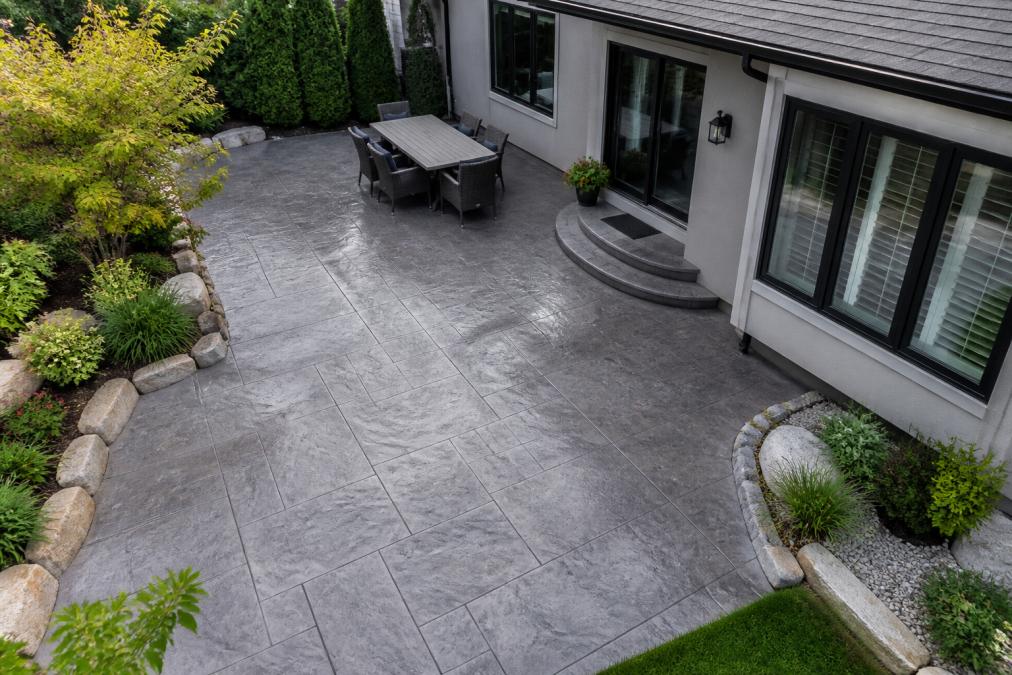
The concrete's condition at appraisal is critical. Visible cracking, discoloration, or loss of sealant can cause appraisers to deduct value, signaling deferred maintenance. A homeowner with a consistent sealing and maintenance history demonstrates responsible property stewardship, which appraisers reward.
Stamped Concrete Maintenance Requirements and Long-Term Costs
Stamped concrete requires regular sealing to protect against UV fading, water infiltration, and freeze-thaw cycles. Most experts recommend resealing every 2-3 years, depending on climate and traffic. In harsh winters, you may need more frequent resealing. Beyond sealing, regular cleaning prevents algae growth and staining, and prompt crack repair prevents spreading damage.
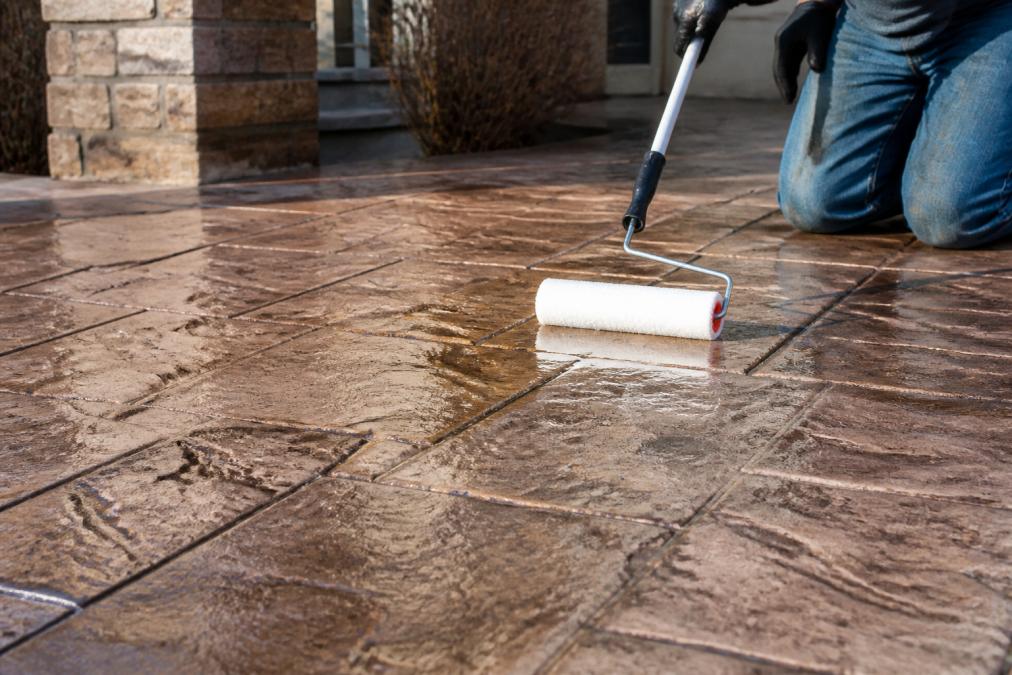
The maintenance-to-value ratio is critical. Neglected stamped concrete deteriorates rapidly, reducing your home's appeal compared to well-maintained standard concrete. Freeze-thaw cycles are particularly damaging in northern climates, causing spalling where chunks of concrete break away. Once spalling begins, it accelerates and repair becomes expensive.
When calculating true stamped concrete costs, factor in:
- Initial installation cost
- Professional sealing every 2-3 years
- Cleaning and minor repairs as needed
- Potential resurfacing or replacement after 15-20 years in harsh climates
Understanding these costs upfront helps determine whether stamped concrete makes financial sense for your situation.
Stamped Concrete vs. Pavers: Resale Value Comparison
Pavers offer advantages in the resale market. They're perceived as premium in many regions, individual pavers can be replaced if damaged, and they resist freeze-thaw damage better than stamped concrete because they move slightly as ground shifts rather than cracking as a rigid slab.
However, pavers require their own maintenance: sand between pavers needs replenishment, weeds can grow through joints, and pavers can shift unevenly over time. Labor costs to address these issues can exceed stamped concrete maintenance in some cases.
| Hardscaping Option | Maintenance Frequency | Typical Lifespan | Resale Perception | Best For |
|---|---|---|---|---|
| Stamped Concrete | Reseal every 2-3 years | 15-25 years | Premium aesthetic; concerns about cracking | Moderate climates; buyers valuing design |
| Pavers | Sand replenishment annually; occasional resetting | 20-30 years | Premium durability; modularity valued | Harsh climates; buyers prioritizing longevity |
| Natural Stone | Occasional sealing; minimal maintenance | 25-50+ years | Highest premium perception; investment-grade | High-end markets; buyers expecting permanence |
| Standard Concrete | Minimal maintenance | 20-40 years | Utilitarian; no aesthetic premium | Budget-conscious buyers; utility-focused properties |
In resale value, natural stone commands the highest premium in upscale markets but costs most to install. Pavers occupy the middle ground. Stamped concrete sits between standard concrete and pavers in appeal and cost.
The real differentiator is condition at sale. A well-maintained stamped concrete patio outsells a neglected paver installation. Your maintenance discipline matters more than material choice itself.
Concrete Driveway Installation Cost 2026 and ROI Timeline
Professional stamped concrete installation in 2026 varies based on complexity, regional labor rates, and material selection. The process begins with subgrade preparation, excavating, compacting, and preparing the base. This invisible foundation work is critical; poor preparation leads to settling and cracking.
Once the base is prepared, concrete is poured, finished with the stamped pattern, colored if desired, and sealed. More complex patterns and color combinations increase labor costs.
The ROI timeline typically extends 5-10 years. If you plan to sell within 3-5 years, ROI may be modest or negative. If you stay 10+ years, enhanced curb appeal and outdoor living space often justify the investment.
Timing matters for sales. Install stamped concrete 12-18 months before listing, not immediately before. This establishes a maintenance history and reassures buyers the surface is stable. Brand-new installations raise concerns about hidden defects.
Pros and Cons of Stamped Concrete for Home Value
Pros of Stamped Concrete:
Aesthetic appeal is the primary advantage. Stamped concrete replicates expensive materials like slate, brick, or stone at a fraction of the cost, creating an impression of property investment and care.
Durability is genuine when properly installed and maintained. A well-constructed surface lasts 15-25 years in moderate climates, appealing to buyers seeking long-term solutions (peer-reviewed research).
Customization options are extensive. Dozens of patterns, colors, and finishes match any architectural style, creating intentional design rather than generic upgrades.
Lower cost compared to natural stone or pavers makes stamped concrete accessible to homeowners with moderate budgets.
Cons of Stamped Concrete:
Maintenance burden is significant and non-negotiable. Neglected stamped concrete deteriorates rapidly, destroying the value proposition.
Cracking risk in freeze-thaw climates is real. Winter temperature cycles damage stamped concrete more severely than standard concrete. Repairs are expensive and visible.
Color fading occurs over time, particularly with darker stains. UV exposure gradually diminishes the visual appeal that justified the investment.
Perception of wear is heightened because decorative patterns make damage more obvious.
Limited repairability means significant damage often requires resurfacing or replacing entire sections, unlike pavers where individual units can be replaced.
Maximizing Your Stamped Concrete Investment
Invest in professional installation from a licensed, bonded contractor with proven stamped concrete experience. Quality subgrade preparation, concrete mix design, stamping technique, and initial sealing determine longevity. Luxury Concrete And Landscaping's 5-year workmanship warranty reflects our commitment to quality that lasts.
Establish a maintenance schedule and stick to it. Reseal every 2-3 years or per your climate's recommendations. Clean regularly to prevent algae and staining. Address cracks immediately. Document your maintenance history with photos and receipts for eventual sale.
Integrate stamped concrete into a cohesive landscape design. Stamped concrete paired with complementary plantings, lighting, and other elements creates a designed outdoor living space rather than just a decorated surface.
Choose patterns and colors thoughtfully. Neutral colors and classic patterns have broader resale appeal than trendy designs. Slate-pattern stamped concrete in gray or tan appeals to more buyers than bold colors.
Consider regional market expectations. In Utah's active real estate market, outdoor living spaces are highly valued. Stamped concrete that enhances these activities aligns with buyer expectations and delivers measurable value.
Factor maintenance costs into your decision. If you're unwilling or unable to maintain stamped concrete properly, choose a different hardscaping option. Value destruction from neglected stamped concrete is substantial.
Stamped concrete can genuinely increase your home's value when installed professionally, maintained consistently, and integrated thoughtfully into your property's overall design. But it requires active stewardship to preserve its contribution to resale appeal.
If you're ready to invest in professional-grade stamped concrete, Luxury Concrete And Landscaping brings 5-year workmanship warranty backing, licensed and insured installation, and in-house design expertise to ensure your investment performs. Get My FREE Estimate today and discover how custom hardscaping can elevate your home's value and outdoor living experience.
=== FAQ ANSWERS (audit these too, same rules) ===
[1] Q: Is stamped concrete worth the money for increasing home value? A: Stamped concrete can deliver solid ROI when properly installed and maintained. It enhances curb appeal and aesthetic appeal, which appraisers notice. However, the return depends on your regional real estate market, the quality of installation, and ongoing maintenance. Homes with well-maintained stamped concrete patios and driveways typically see better marketability. The investment pays off best when combined with other hardscaping improvements and in markets where outdoor living spaces are valued highly.
[2] Q: How does stamped concrete compare to pavers for resale value? A: Both stamped concrete and pavers enhance property value, but they differ in longevity and maintenance. Stamped concrete offers a lower installation cost and seamless appearance, while pavers provide easier individual replacement if damaged. For resale value, pavers may have a slight edge in high-end markets because they're perceived as premium and easier to repair. However, stamped concrete delivers faster installation and a more cohesive design aesthetic. The choice depends on your budget, regional preferences, and long-term maintenance tolerance.
[3] Q: What are the main downsides of stamped concrete? A: The primary drawbacks include susceptibility to cracking in freeze-thaw cycles, color fading over time, and regular sealing requirements to maintain appearance and structural integrity. Repairs can be difficult because patches often don't match the original pattern or color. Stamped concrete also requires more maintenance than standard concrete to prevent staining and preserve the decorative finish. In regions with harsh winters, freeze-thaw damage can significantly reduce its lifespan and impact your home's curb appeal.
[4] Q: How quickly will I see a return on my stamped concrete investment? A: You'll see immediate curb appeal improvements, which benefit your daily enjoyment and first impressions for potential buyers. However, financial ROI typically materializes when you sell. Most homeowners recoup 50-80% of stamped concrete installation costs through increased home value at resale, depending on regional market conditions and installation quality. The timeline varies: in strong real estate markets with high demand for outdoor living spaces, resale value increases faster. Plan for a 5-10 year horizon to fully realize the investment's value.
Frequently Asked Questions
Is stamped concrete worth the money for increasing home value?
Stamped concrete can deliver solid ROI when properly installed and maintained. It enhances curb appeal and aesthetic appeal, which appraisers notice. However, the return depends on your regional real estate market, the quality of installation, and ongoing maintenance. Homes with well-maintained stamped concrete patios and driveways typically see better marketability. The investment pays off best when combined with other hardscaping improvements and in markets where outdoor living spaces are valued highly.
How does stamped concrete compare to pavers for resale value?
Both stamped concrete and pavers enhance property value, but they differ in longevity and maintenance. Stamped concrete offers a lower installation cost and seamless appearance, while pavers provide easier individual replacement if damaged. For resale value, pavers may have a slight edge in high-end markets because they're perceived as premium and easier to repair. However, stamped concrete delivers faster installation and a more cohesive design aesthetic. The choice depends on your budget, regional preferences, and long-term maintenance tolerance.
What are the main downsides of stamped concrete?
The primary drawbacks include susceptibility to cracking in freeze-thaw cycles, color fading over time, and regular sealing requirements to maintain appearance and structural integrity. Repairs can be difficult because patches often don't match the original pattern or color. Stamped concrete also requires more maintenance than standard concrete to prevent staining and preserve the decorative finish. In regions with harsh winters, freeze-thaw damage can significantly reduce its lifespan and impact your home's curb appeal.
How quickly will I see a return on my stamped concrete investment?
You'll see immediate curb appeal improvements, which benefit your daily enjoyment and first impressions for potential buyers. However, financial ROI typically materializes when you sell. Most homeowners recoup 50-80% of stamped concrete installation costs through increased home value at resale, depending on regional market conditions and installation quality. The timeline varies: in strong real estate markets with high demand for outdoor living spaces, resale value increases faster. Plan for a 5-10 year horizon to fully realize the investment's value.
This article was written using GrandRanker
